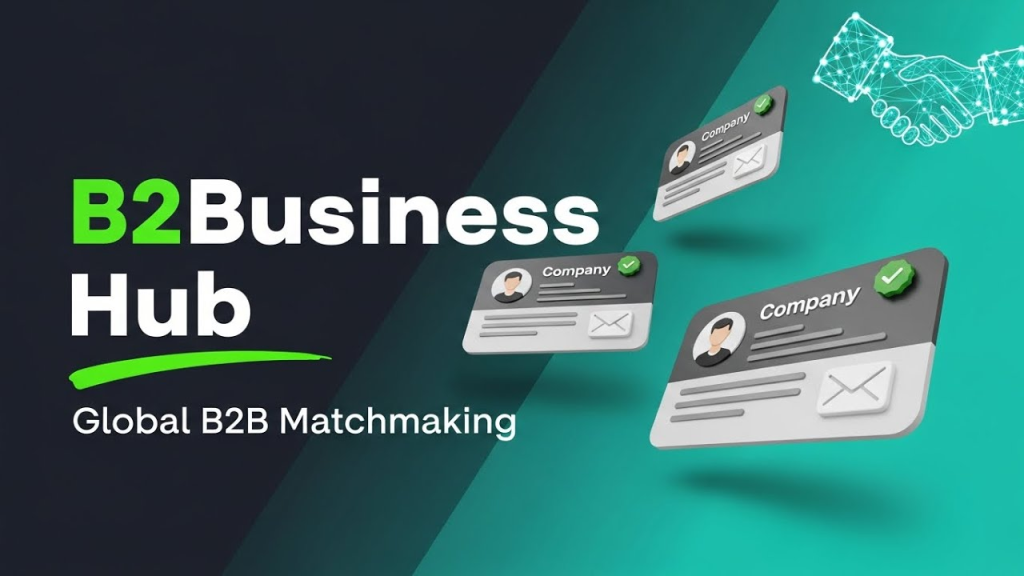
Finding reliable companies has become one of the biggest challenges for organizations that want to expand into new markets, build supply relationships, or generate qualified business leads. A verified B2B supplier directory provides businesses with a structured way to discover suppliers, manufacturers, buyers, distributors, and potential clients while reducing the uncertainty involved in traditional online research. Modern AI powered business discovery platforms go beyond basic company listings by organizing useful commercial information and making it easier for decision makers to identify companies that match their requirements. This approach can save valuable research time while giving sales, sourcing, procurement, and business development teams a clearer starting point for new opportunities. The value of these platforms is particularly noticeable when a business needs to explore unfamiliar industries or international markets. Instead of searching through hundreds of unrelated websites, teams can use organized company information, contact discovery features, business categories, trust indicators, and intelligent search capabilities to narrow their research. AI can further improve this process by identifying relevant businesses based on industry, location, commercial activity, and other available signals. As a result, companies can spend more time evaluating genuine opportunities and less time performing repetitive manual searches.
Understanding Modern B2B Business Discovery
Business discovery is the process of identifying organizations that could become customers, suppliers, manufacturers, distribution partners, service providers, or strategic business relationships. Traditional directories mainly offered company names, addresses, telephone numbers, and basic industry categories, but modern platforms are increasingly designed around richer commercial intelligence. They can combine company profiles with contact information, business classifications, competitor research, trust signals, and AI supported recommendations. This creates a more practical research environment for businesses that need actionable information rather than a simple collection of company names. An effective verified B2B supplier directory can also support different departments within the same organization because B2B discovery is not limited to sales teams. Procurement professionals may use company information to identify potential suppliers, while sales representatives can research prospective clients and business development teams can explore distributors or regional partners. Manufacturers can study potential buyers in different markets, and growing companies can analyze competitors before entering a new industry. Bringing these activities together makes business research more organized and helps teams create more focused strategies.
How AI Improves B2B Lead Generation
Artificial intelligence has significantly changed the way businesses discover and evaluate potential leads. Instead of requiring users to manually review large volumes of company information, AI systems can help analyze business attributes and identify organizations that appear relevant to a particular search. A company searching for wholesale buyers, for example, may be able to narrow its research according to industry, country, company type, or other available characteristics. This allows sales teams to concentrate on prospects that have stronger commercial relevance rather than building large lists without a clear qualification process. AI can also assist with lead prioritization and outreach preparation by organizing information about a prospect before communication begins. When teams understand what a company does, where it operates, which market it serves, and how it relates to their offering, they can create messages that are more specific and useful. Some business discovery platforms also provide AI outreach tools that help users prepare personalized communication based on available company information. Human review remains important, however, because successful B2B communication depends on context, accuracy, timing, and a genuine understanding of the prospect.
Finding Reliable Suppliers and Manufacturers
Supplier discovery is often more complicated than finding a company that sells the required product. Businesses need to consider whether a potential supplier has suitable capabilities, operates in the required market, appears legitimate, and can potentially meet commercial expectations. Organized B2B data can make the early stages of this research easier by allowing procurement teams to compare potential suppliers before beginning direct discussions. Company profiles, industry information, business locations, contact details, and available trust indicators can all contribute to a more informed initial screening process. A business should still conduct independent due diligence before entering into a commercial relationship. A directory listing or trust score should be treated as a research signal rather than an unconditional guarantee of reliability, product quality, regulatory compliance, or financial stability. Buyers may need to verify company registration, certifications, references, production capacity, payment conditions, samples, contracts, and applicable import or export requirements. Combining digital discovery with proper verification creates a more responsible approach to supplier selection and can reduce avoidable commercial risks.
Connecting Buyers With Relevant Business Opportunities
Manufacturers, exporters, wholesalers, and service providers frequently face the opposite challenge because they need to identify businesses that may actually purchase what they offer. Broad internet searches can generate thousands of results, but many of those companies may have little commercial relevance. An AI powered platform can make buyer discovery more focused by helping businesses research organizations according to their market, industry, company profile, location, and other useful criteria. Better targeting can improve the quality of prospect lists and make international business development more manageable. Using a verified B2B supplier directory can provide a practical starting point for businesses that want to research potential buyers, suppliers, manufacturers, distributors, and clients through a more organized discovery process. Rather than approaching random companies, users can study available business information before deciding whether a prospect deserves further attention. This research first approach is especially valuable for smaller sales teams because their time and outreach capacity are limited. Focusing resources on relevant prospects can produce more meaningful conversations than sending generic messages to a very large audience.
Using Company Data for Better Lead Research
Company data provides context that helps transform a business name into a more understandable prospect. Useful records may include an organization’s industry, location, business description, website information, available contact details, and other commercial attributes. When this information is presented in a structured format, sales professionals can quickly determine whether a company appears relevant to their target market. It also helps procurement teams distinguish between manufacturers, wholesalers, distributors, service providers, and other types of organizations during supplier research. Data quality should always be considered when making business decisions because company information changes over time. Employees leave organizations, businesses change addresses, websites are replaced, and commercial activities may evolve. For that reason, users should verify important information before relying on it for contracts, payments, regulatory decisions, or significant investments. A high quality discovery platform can simplify the research process, but responsible businesses should combine database information with direct confirmation whenever accuracy has financial or legal consequences.
Contact and Email Finding for B2B Outreach
Finding the right organization is only the beginning of lead generation because businesses also need an appropriate way to reach decision makers. Contact and email discovery features can reduce the amount of manual research required to locate publicly available or legitimately sourced business contact information. When used responsibly, these tools can help sales teams connect with relevant departments and professionals instead of sending messages to unrelated addresses. Better contact targeting can also improve outreach efficiency by ensuring that a business proposal reaches someone who is more likely to understand its commercial value. Successful outreach should focus on relevance rather than message volume. Businesses should research the prospect, explain why the communication is relevant, and provide a clear reason for starting a conversation. Automated or AI assisted messages should also be reviewed before they are sent because inaccurate personalization can damage credibility. A thoughtful message that demonstrates knowledge of the recipient’s business generally creates a stronger professional impression than a generic sales template distributed to thousands of contacts without meaningful qualification.
Competitor Analysis and Market Intelligence
Competitor research is another important application of modern business discovery technology. Understanding which organizations operate in a market can help businesses identify potential gaps, study industry activity, discover alternative suppliers, and evaluate how crowded a particular segment may be. A verified B2B supplier directory can support this research by bringing relevant company information into a searchable environment where users can examine businesses associated with particular industries or markets. This can give decision makers a broader perspective before committing resources to a new sales or sourcing strategy. Competitor information should be used ethically and through lawful sources. Businesses can analyze publicly available company information, product positioning, market presence, and other legitimate commercial signals, but they should not attempt to obtain confidential information through deceptive or unauthorized methods. Competitive intelligence is most valuable when it helps a company understand the market and improve its own decisions. It should support better positioning, product development, partnership research, and strategic planning rather than inappropriate interference with another organization’s operations.
Understanding Trust Scores and Business Verification
Trust indicators can make company research more efficient by giving users additional signals when evaluating unfamiliar businesses. Depending on the platform, a trust score may consider different types of available data and verification information to help users assess whether a company deserves closer examination. These indicators can be particularly useful during international research, where buyers and sellers may have limited familiarity with companies operating in another country. They provide an additional screening layer that can help teams prioritize which organizations should receive deeper due diligence. A trust score should never replace independent verification or professional judgment. Businesses considering a major transaction should confirm legal registration, company identity, banking information, ownership details where appropriate, certifications, trade references, and contractual terms through reliable sources. High value transactions may also require legal, financial, or compliance advice. Digital trust indicators can help narrow the search, but the final responsibility for evaluating a commercial partner remains with the businesses involved in the transaction.
Legal Considerations for International B2B Outreach
Companies using B2B contact information must consider privacy, electronic communication, and direct marketing rules that apply to their activities. Requirements can vary considerably between countries and regions, especially when personal business contact information is involved. Organizations operating in or contacting people in the European Economic Area may need to consider the General Data Protection Regulation and relevant electronic marketing requirements. Other countries can have their own privacy, anti spam, consumer protection, telecommunications, and data processing rules that influence how business information may be collected, stored, processed, and used. Businesses conducting international outreach should therefore establish clear compliance procedures rather than assuming that one approach is acceptable everywhere. This can include identifying an appropriate legal basis for processing data where required, maintaining accurate records, respecting opt out requests, protecting stored information, and reviewing whether international data transfers create additional obligations. Legal requirements depend on the jurisdiction, type of recipient, communication method, and purpose of processing, so organizations with significant compliance exposure should seek qualified legal advice for the markets they target.
Building a More Focused B2B Sales Strategy
Lead generation works best when a company understands exactly which businesses it wants to reach. Before searching for prospects, sales teams should define their ideal customer profile using meaningful characteristics such as industry, company type, location, commercial needs, and purchasing relevance. This prevents teams from treating every company as an equally valuable opportunity. Once a target profile has been established, business discovery technology can help researchers identify organizations that more closely match those characteristics and create a manageable pipeline for further qualification. The same principle applies to supplier sourcing because procurement teams should define their requirements before contacting potential vendors. Product specifications, target markets, certifications, capacity requirements, delivery expectations, and other commercial factors can influence which suppliers deserve attention. Clear criteria make it easier to evaluate search results consistently and reduce unnecessary conversations. AI can accelerate discovery, but businesses achieve stronger outcomes when technology supports a clearly defined strategy rather than replacing the thinking required to develop one.
Why Data Quality Matters in Business Discovery
The effectiveness of a B2B discovery platform depends heavily on the usefulness and accuracy of its information. Outdated records can create wasted outreach, incorrect assumptions, and poor prospect qualification. A strong verified B2B supplier directory should therefore help users access organized business information that can be reviewed efficiently while recognizing that company data naturally changes over time. Businesses should pay particular attention to important details before making high impact decisions based on any online data source. Quality also involves relevance rather than simply the amount of information available. Millions of company records have limited value when users cannot identify the businesses that fit their needs. Search capabilities, useful filters, AI supported discovery, company categorization, and research features can make large datasets considerably more practical. The objective should not be to collect the biggest possible list of prospects but to create a smaller and more meaningful group of companies that deserves further investigation and personalized communication.
Creating Human Centered AI Outreach
AI outreach tools can help businesses prepare emails, introductions, follow ups, and other sales communication more efficiently. Their greatest value comes from helping teams turn relevant research into personalized messages rather than producing large quantities of generic promotional content. When representatives understand the recipient’s company and potential business needs, AI can assist with organizing the message and communicating the proposed value clearly. This combination of research and automation can help teams maintain productivity without sacrificing the professional quality of their communication. Human review should remain part of the outreach process because business relationships depend on credibility and trust. Representatives should check names, company details, claims, offers, and contextual references before sending AI generated messages. They should also avoid exaggerated personalization or pretending to know something about a recipient that has not been verified. AI works best as an assistant that reduces repetitive work while leaving important decisions, relationship building, negotiation, and judgment in human hands.
Growing International Business Through Smarter Discovery
Global markets offer enormous opportunities, but finding the right organizations across different countries can require significant research. Language differences, unfamiliar industries, local business structures, regulatory requirements, and varying commercial practices can make international prospecting more challenging than domestic lead generation. Business discovery platforms can reduce some of this complexity by organizing company information and helping users investigate businesses in markets they may not already understand. This can give exporters, manufacturers, agencies, wholesalers, and other B2B organizations a stronger foundation for international expansion. Businesses should combine digital research with an understanding of local commercial practices before entering a new region. Payment methods, contracts, shipping arrangements, taxes, import requirements, cultural expectations, and privacy regulations may differ between markets. A company that identifies a promising prospect still needs to determine whether the opportunity is commercially realistic and legally appropriate. Careful research and direct communication remain essential even when AI makes the initial discovery process significantly faster.
Conclusion
Modern B2B growth depends on finding the right businesses and understanding them before making contact. An AI powered business discovery platform can bring supplier research, buyer identification, company data, contact discovery, competitor analysis, trust indicators, and outreach assistance into a more efficient workflow. Instead of relying on scattered searches and unqualified lead lists, companies can use structured information to identify prospects that appear relevant to their goals. The strongest results come when this technology is combined with careful qualification, accurate research, personalized communication, and appropriate due diligence. For companies seeking new buyers, suppliers, manufacturers, distributors, or potential clients, a verified B2B supplier directory can become a useful part of a broader sales and sourcing strategy. Businesses should use available data as the beginning of their research rather than the final proof behind a commercial decision, especially when international transactions are involved. By combining AI powered discovery with human judgment, legal awareness, and professional outreach, organizations can build stronger prospect pipelines and approach new business opportunities with greater confidence.