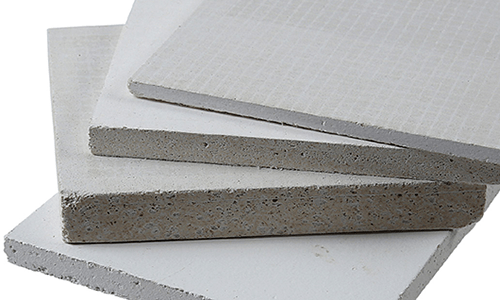
In today’s construction industry, the demand for high-performance, sustainable, and versatile materials continues to grow. Among the innovative solutions gaining popularity are mgo boards, also known as mgo board or magnesium oxide board. These advanced building panels are redefining standards in residential, commercial, and industrial construction thanks to their durability, fire resistance, and environmental benefits.
What Are MGO Boards?
Mgo boards are construction panels made from magnesium oxide, a naturally occurring mineral combined with reinforcing materials such as fiberglass mesh. The result is a strong, stable board that can be used in a wide range of applications—from walls and ceilings to flooring and exterior sheathing.
Unlike traditional materials like drywall, plywood, or cement boards, a magnesium oxide board offers a unique combination of strength and versatility. It is lightweight enough for easy handling yet strong enough to withstand demanding conditions.
Key Advantages of Magnesium Oxide Board
One of the primary reasons why builders and architects are turning to mgo boards is their impressive list of benefits:
• Fire resistance – A magnesium oxide board is naturally non-combustible and can withstand extremely high temperatures without releasing toxic fumes
• Moisture resistance – Unlike traditional drywall, an mgo board does not swell, warp, or degrade when exposed to humidity or water
• Mold and mildew resistance – Its inorganic composition prevents the growth of mold, making it ideal for bathrooms, kitchens, and basements
• Durability – Mgo boards are highly impact-resistant and maintain structural integrity over time
• Eco-friendly – Made from abundant natural materials, magnesium oxide board products have a lower environmental impact compared to many alternatives
These features make mgo boards a preferred choice for projects where safety, longevity, and sustainability are top priorities.
Applications in Modern Construction
The versatility of mgo boards allows them to be used in a wide variety of construction scenarios. Whether for new builds or renovations, these boards adapt to different environments and requirements.
Common uses include:
• Interior wall panels and partitions
• Ceiling systems
• Subflooring and underlayment
• Exterior sheathing
• Fire-rated assemblies
• Tile backer boards
An mgo board is particularly valuable in areas where traditional materials might fail. For example, in high-humidity environments, a magnesium oxide board maintains its structure without deterioration, making it a reliable long-term solution.
Why Builders Are Choosing MGO Boards Over Traditional Materials
Traditional construction materials have limitations. Drywall can be easily damaged by moisture, plywood may warp, and cement boards can be heavy and difficult to install. In contrast, mgo boards combine the best qualities of these materials while minimizing their drawbacks.
Here’s why professionals increasingly prefer magnesium oxide board:
• Lightweight yet strong, making installation faster and more efficient
• Resistant to pests such as termites
• Stable under temperature changes
• Minimal maintenance required over time
Additionally, the smooth surface of an mgo board allows for easy finishing, whether painting, tiling, or applying other decorative materials.
Sustainability and Environmental Impact
Sustainability is becoming a key factor in construction decisions. Mgo boards stand out as an environmentally responsible choice. The production of a magnesium oxide board generally requires less energy compared to traditional cement-based products, and the materials used are non-toxic and recyclable.
Furthermore, buildings constructed with mgo boards often have improved indoor air quality due to the absence of harmful chemicals and emissions. This makes them an excellent option for eco-conscious projects and green building certifications.
Installation and Practical Considerations
Working with mgo boards is straightforward for professionals familiar with standard construction practices. The boards can be cut using common tools and installed similarly to drywall or cement boards.
However, to maximize the performance of a magnesium oxide board, proper handling and storage are essential. Keeping the boards dry before installation and following manufacturer guidelines ensures optimal results.
The Future of Building Materials
As the construction industry continues to evolve, materials like mgo boards are shaping the future of building design and performance. Their ability to combine strength, safety, and sustainability makes them a forward-thinking solution for modern construction challenges.
Whether used in residential homes, commercial buildings, or industrial facilities, magnesium oxide board products offer a reliable and innovative alternative to traditional materials. For builders looking to improve efficiency, durability, and environmental impact, mgo boards represent a smart investment in long-term quality.
In a world where construction demands are constantly increasing, choosing the right materials can make all the difference—and mgo board technology is proving to be one of the most effective choices available today.